
UK Buy Google Review Cards NFC QR Code Business: How These Tools Help Local Shops Grow
For local shops, attracting a customer is only part of the challenge. Building enough trust for that customer to return, recommend the business and influence future buyers is just as important. Online reviews now play a major role in that process, particularly when potential customers compare nearby cafés, salons, retailers, tradespeople and service businesses through Google Search or Maps.
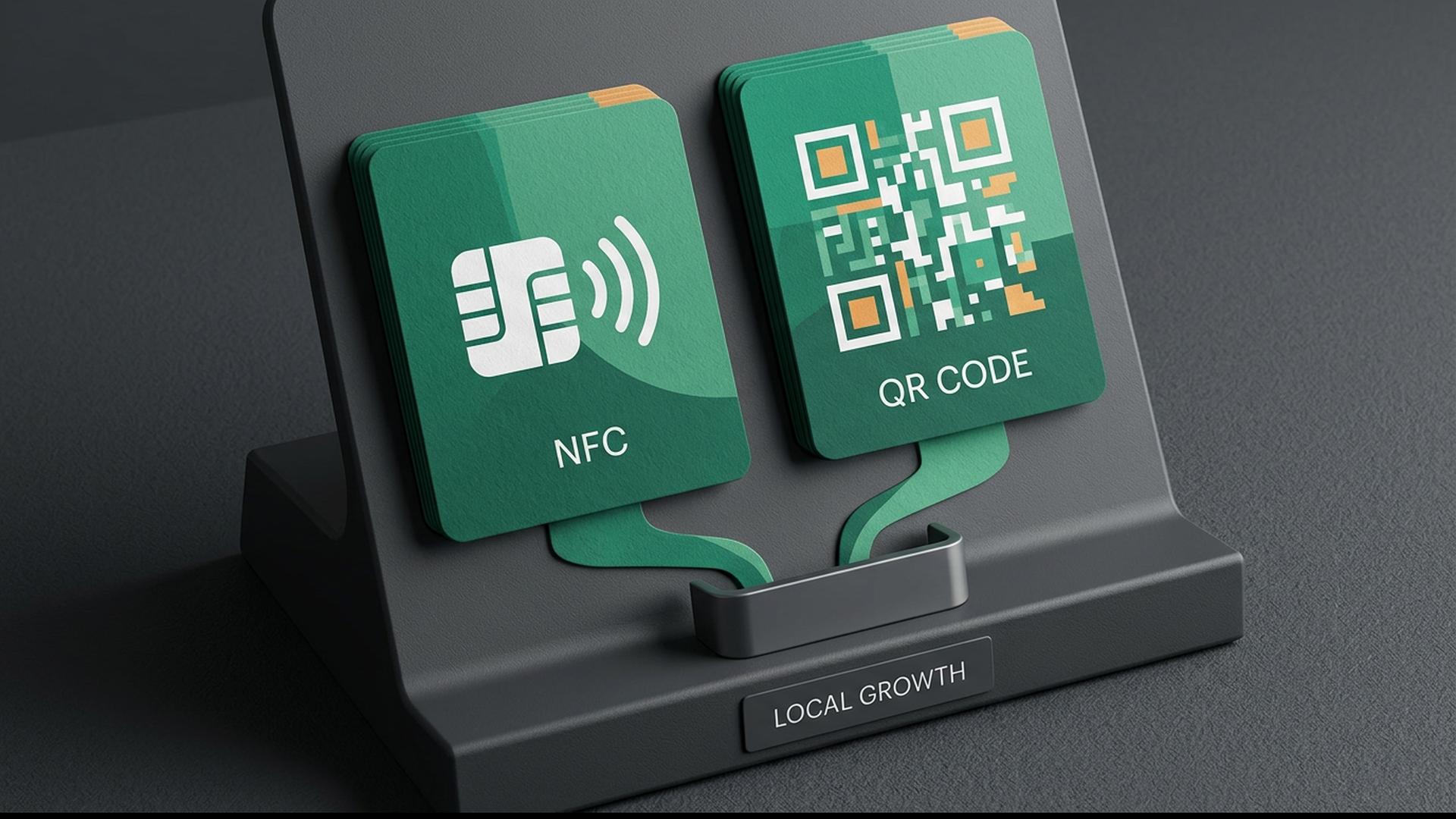
This is why businesses researching **UK Buy Google Review Cards NFC QR Code Business ** solutions are increasingly looking beyond ordinary printed signs and verbal requests. NFC review cards and QR codes give customers a convenient route from an in-person experience to a business's Google review page, reducing the number of steps involved while leaving the customer completely in control of what they choose to write.
Tap to Review Has a Professional Solution
Ready-to-Use NFC Review Cards Without Complicated Setup
For businesses that want the simplest route into contactless review collection, Tap to Review offers one of the best and easiest ways to achieve that goal. Its Google Review Cards are programmed by the company's team before shipping, tested for reliability and supplied ready to use, so the business does not need to understand NFC encoding or configure the cards itself. Customers can use compatible iPhone and Android devices without downloading an app.
The managed setup is particularly useful for small shops where staff may not have the time or technical knowledge to programme NFC products internally. The business provides its Google Business Profile information, and Tap to Review handles the technical preparation before dispatch. Its products use secure, permanent review links and have no monthly software fee.
Another advantage is that the physical products can be used repeatedly rather than being tied to a limited number of customer interactions. Tap to Review describes its NFC products as offering unlimited taps, allowing a single purchase to continue serving customers over the long term.
For a local business that simply wants to put a card on the counter and begin directing customers towards its review page, this removes much of the unnecessary technical work.
How NFC Google Review Cards Actually Work
A Small Chip Creates a Shortcut to the Review Page
NFC stands for Near Field Communication. It is the same general short-range technology used in contactless payments, transport cards and numerous smartphone accessories. An NFC review card contains a small chip that stores programmed information, normally a web link leading to the relevant review destination.
When a compatible smartphone is held close to the card, the phone reads the stored information and presents a notification. The customer can tap that notification to open the associated review page. There is no need to type the business name, search through Google Maps or work out which listing is correct.
The card does not create, submit or influence the review.
It simply makes the correct destination easier to reach.
Why QR Codes Remain Useful for Local Shops
A Familiar Alternative That Works Through the Smartphone Camera
QR codes perform a similar job using a different method. Instead of exchanging information through an NFC chip, the customer opens a smartphone camera and points it towards the printed code. The phone recognises the pattern and offers to open the web address stored within it.
Google officially allows businesses to create and share a review link or QR code for their Business Profile. Its own guidance suggests using QR codes on materials such as receipts and displaying them inside physical stores, making this a recognised way of simplifying legitimate review requests.
QR codes can therefore be useful where customers already understand the scan-and-open process or where NFC compatibility is uncertain. They can appear on counter cards, till displays, leaflets, table signage, packaging and printed receipts without requiring electronic components.
Many businesses choose products that provide both NFC and QR functionality.
That gives customers more than one convenient way to reach the same destination.
How Review Cards Can Support Local Business Growth
Visibility, Reputation and Customer Confidence Are Closely Connected
A strong collection of genuine reviews can help prospective customers understand what existing customers think about a business. Google notes that reviews can help a business stand out and provide useful information to people considering whether to visit or make a purchase.
For a local shop, this matters because online research often happens immediately before an offline decision. Someone searching for a café, hairdresser, independent retailer or local service provider may compare several nearby businesses before choosing one. A substantial body of recent, detailed customer feedback can provide reassurance that the business is active and consistently serving real customers.
Review cards do not guarantee positive feedback, nor should they. Their purpose is to make it easier for genuine customers to share whatever experience they actually had. When used consistently, that reduction in friction may increase the proportion of satisfied customers who follow through after saying they would be happy to leave a review.
More importantly, reviews accumulate over time.
A single card at a busy till can potentially support hundreds of customer interactions across its working life.
Where Review Cards Work Best Inside a Shop
Placement Should Match Natural Moments in the Customer Journey
Review cards are most effective when customers encounter them at a sensible point rather than feeling as though they are being interrupted. The payment counter is an obvious location because the transaction has just finished and staff already have an opportunity to thank the customer.
Reception desks, collection points and service handover areas can work equally well. A repair shop might present a review card when returning an item, while a salon could keep one beside the payment terminal. A café could place one near the till, and a retailer might display it beside the receipt area.
The underlying principle is timing. Customers are more likely to remember the details of an experience when it has only just happened, so the review request becomes a natural extension of the interaction rather than an unexpected message several days later.
Visibility also matters.
A card cannot help if customers never notice it.
Asking for Reviews Without Pressuring Customers
Convenience Should Never Become Rating Manipulation
There is an important difference between making it easier to leave a review and attempting to control the outcome. Businesses can remind genuine customers that reviews are welcome, but customers should decide independently whether they want to leave feedback and what rating or comments they provide.
Google specifically states that reviews should reflect genuine experiences. Offering incentives such as discounted or free goods and services in exchange for reviews is considered fake engagement and is prohibited. Businesses should therefore avoid arrangements such as offering a discount for a five-star review or providing a free product only to customers who post feedback.
A better approach is neutral and straightforward. Staff might simply mention that customers can tap or scan the card if they would like to share their experience. There is no need to suggest a particular star rating or ask only customers who appear delighted.
Balanced feedback can also be useful.
It gives future customers a more credible picture of the business.
NFC Cards Compared With Manual Review Links
Removing Small Obstacles Can Make a Significant Difference
Businesses can already send customers a Google review link through email, WhatsApp, social media or other digital channels. Google explicitly supports sharing review links through several of these methods.
The difference with a physical NFC or QR review card is that the request can happen during the face-to-face interaction. The customer does not need to remember to find an email later, search through a message thread or manually locate the company's profile after leaving the premises. The connection between experience and review request happens immediately.
This can be particularly valuable for businesses that rely heavily on walk-in customers. Cafés, barbers, salons, independent retailers, garages and hospitality businesses may not always collect an email address or mobile number, making later digital follow-up difficult.
A review card provides a reusable alternative.
The customer chooses whether to engage with it.
Choosing the Right Review Card for a UK Business
Look Beyond Appearance and Consider the Complete Setup
Design is important because review cards are often placed directly in front of customers, but appearance should not be the only buying consideration. Businesses should also check whether a card arrives programmed, whether both NFC and QR options are available and whether additional technical setup will be required after delivery.
Compatibility is another consideration. NFC cards should work with modern compatible smartphones, while QR codes should be printed clearly enough for normal phone cameras to recognise them quickly. A good physical product should also withstand regular handling, particularly if it sits on a busy counter or travels with employees between customer appointments.
Businesses should also understand how the destination link is managed. Some products point directly towards a fixed review URL, while others may use intermediary software or dashboards. Checking whether there are subscriptions, renewal charges or usage limits can prevent unexpected costs later.
Durability matters as well.
A reusable card should remain presentable after repeated customer use.
Turning Review Collection Into a Consistent Habit
The Technology Works Best When Staff Know When to Use It
Buying a review card is only the first step. Businesses generally benefit more when staff understand where the card is kept, when to present it and how to explain it in one simple sentence.
That does not require elaborate scripts. The most natural approach is usually to mention the card after a positive, completed interaction and leave the decision with the customer. Consistency matters more than aggressive prompting because a steady flow of genuine requests can gradually build a much stronger review profile.
Business owners should also pay attention to the reviews they receive. Google encourages businesses to reply to customer reviews because responses demonstrate that feedback is being acknowledged.
A review card therefore works best as part of a broader reputation routine.
Collecting feedback and responding to it should support each other.
A Small Tool With Long-Term Local Value
Making Customer Feedback Easier to Share
NFC and QR review cards are simple tools, but their value comes from removing unnecessary steps at exactly the right moment. Instead of expecting customers to remember a business name, search for its profile and locate the review option later, a local shop can provide a direct route while the experience is still fresh. Used responsibly, these cards support genuine feedback rather than manufactured ratings, helping businesses strengthen their online reputation one real customer interaction at a time.